Quack Devices · Volume 3
The Makers and the Market
3.1 The Business Behind the Glow
The devices in this wing are usually remembered as objects — a violet glass wand, a sealed black box, a small bottle of poisoned water. But each was the product of a business, and the businesses are where the real story lives. The golden age of medical fraud was not a scattering of lone cranks; it was an industry with factories, catalogs, franchise contracts, national advertising accounts, and salesmen working a territory. The pseudo-physics (covered in the previous volume) was the pitch. This volume follows the money: who built the firms, how they priced the goods, how they reached the buyer, and how much they made before the reckoning came.
Two structural facts shaped the whole trade. First, the American regulatory state was thin until 1938: the 1906 Pure Food and Drugs Act barely touched devices, so a machine that made no chemical claim could be sold almost without restraint. Second, the distribution revolution of the late nineteenth century — the mail-order catalog and rural free delivery — put a national market within reach of any promoter with a printing budget. A cure-all appliance could be advertised in a farm weekly, ordered by post, and shipped from a single warehouse to a customer a thousand miles away who would never meet the seller. That is the engine underneath everything below.
3.2 The Electropathic Belt Sellers
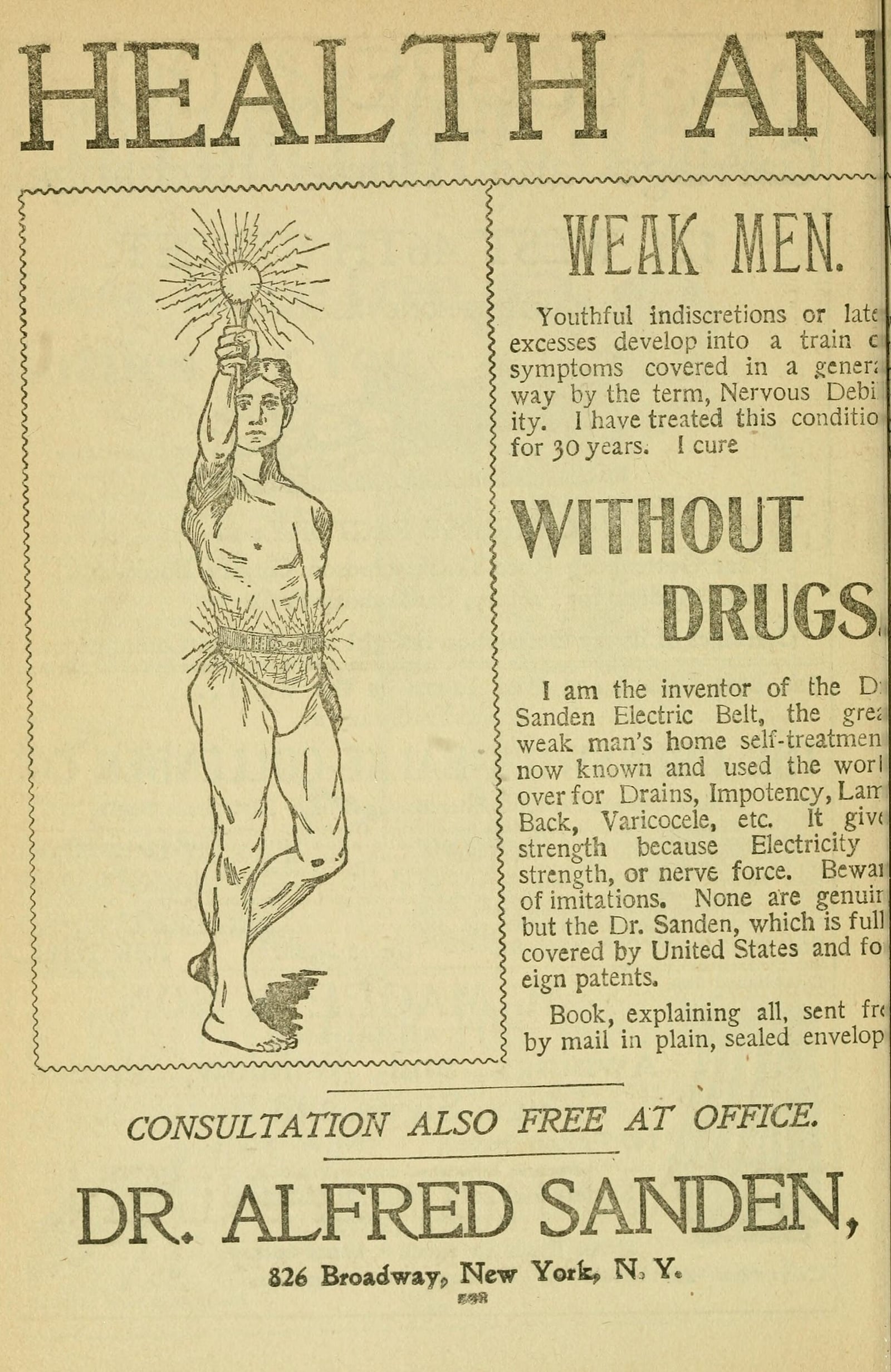
The belt trade was the first of these industries to reach real scale, and it set the template. Isaac Louis Pulvermacher commercialised his galvanic chain-belt in London from the 1850s; his “hydro-electric chain” was a genuine (feeble) voltaic pile, activated by dipping in vinegar, and it was sold hard through pamphlets full of testimonials for “nervous and chronic diseases without medicine.” The device is covered in the electropathic-belts dive; what matters here is the commercial model — a branded appliance, endorsed by a manufactured chorus of grateful patients, sold direct to the anxious.
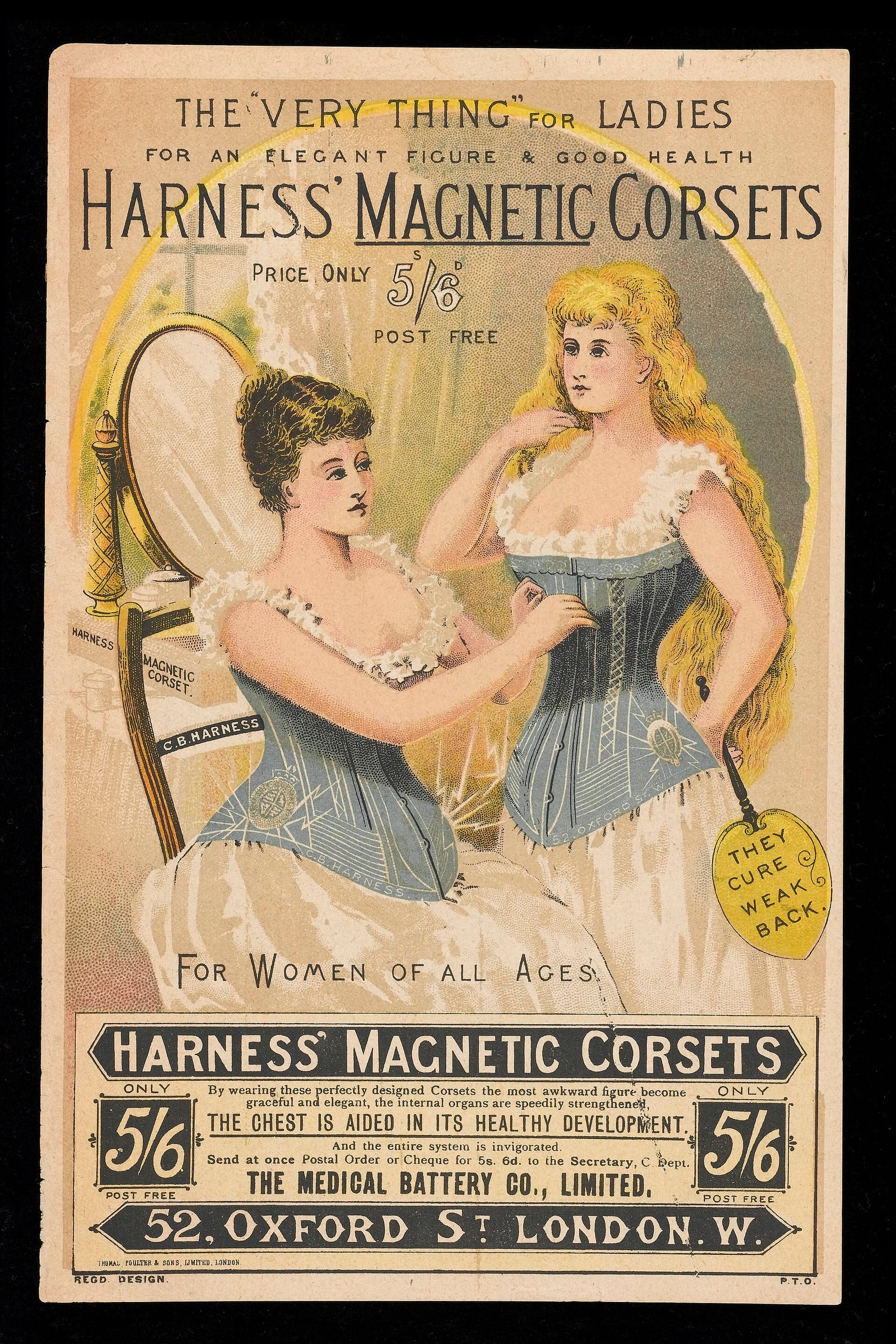
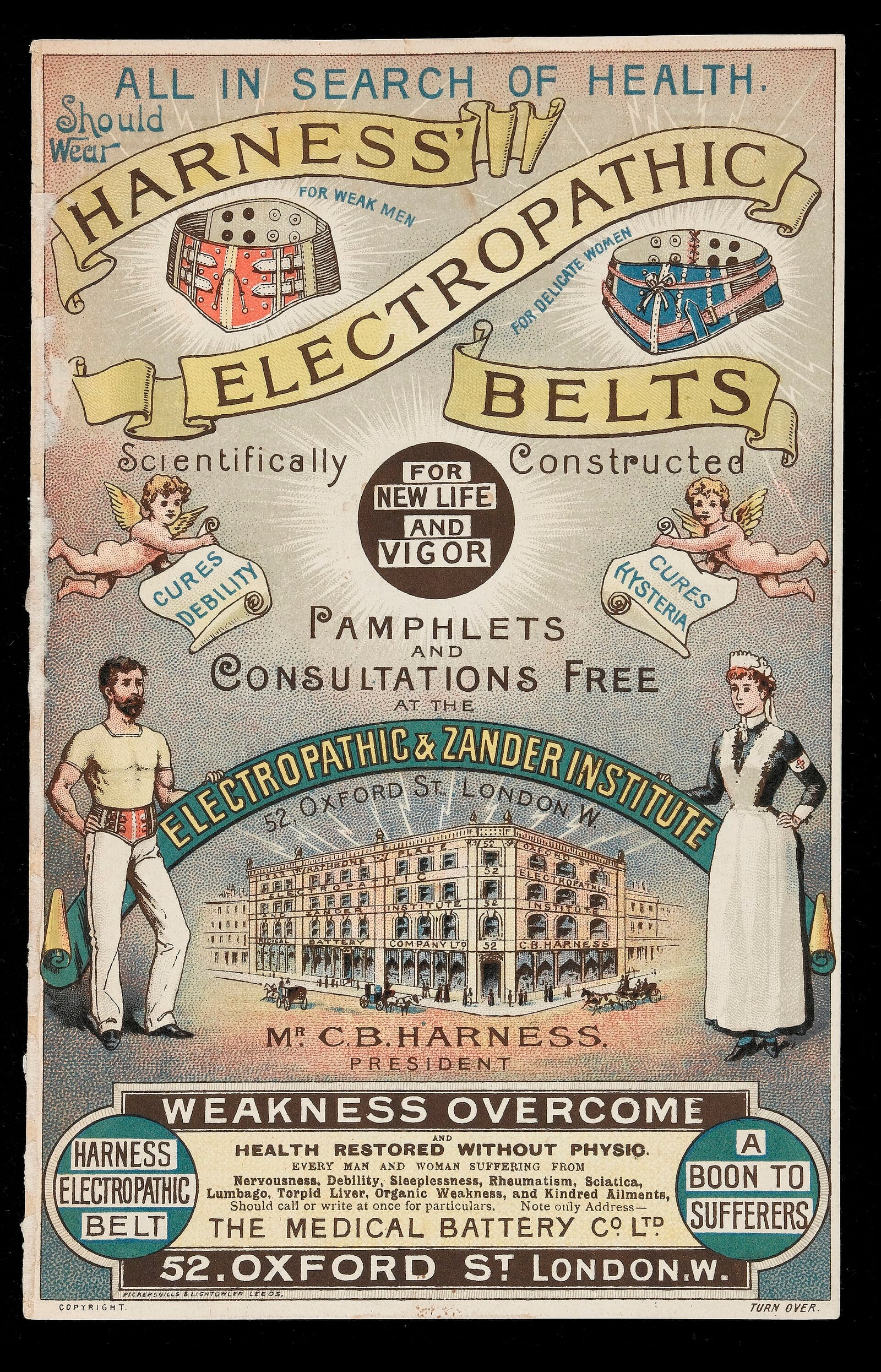
That model made fortunes. In America, George A. Scott — English-born, with a US patent for a brush handle from 1872 — built a catalog empire around “Dr. Scott’s Electric” corsets, hair brushes, tooth brushes, flesh brushes and insoles, most of which contained nothing but a slightly magnetised iron rod. In Britain, Cornelius Bennett Harness began as a distributor of Scott’s electric corset, then launched his own line and the Medical Battery Company from opulent premises on Oxford Street, London. Harness grew wealthy on the “Electropathic Belt” until the Pall Mall Gazette turned on him: in October 1893 it stopped taking the company’s advertisements and ran a series headed “The Harness ‘Electropathic’ Swindle,” calling the firm “a system of fraud and imposture … absolutely unequalled in the annals of swindling.” In November 1893 Harness and his struck-off medical associate Dr. James McCully were arrested for conspiracy to defraud, and the Medical Battery Company collapsed.
By the turn of the century the belts had become a mail-order commodity. The 1902 Sears, Roebuck catalog offered electropathic belts — including the Heidelberg Electric Belt, sold in ascending “power” grades — for roughly $4 to $18. The pricing tiers were pure salesmanship: a higher number for a more desperate customer, with no corresponding change in the negligible current.
3.3 Renulife and the Violet-Ray Industry
The violet-ray handset was the belt’s twentieth-century successor: a mains-powered high-frequency generator with glowing glass electrodes, sold ~1910s–1940s for nearly every ailment. The details of the device are in the violet-ray-wands dive; the industry behind it was substantial. Renulife Electric Company of Detroit was among the largest US makers, established in 1917 by the inventor James Henry Eastman, who held several violet-ray patents; the firm later became Beasley Eastman Laboratories. Renulife built portable outfits in fitted carrying cases and offered a catalog of some 44 electrodes for external and “internal” application, each with its own advertised indication — from asthma and deafness to “infantile paralysis,” enlarged prostate, and dandruff.
Renulife was not alone. Fitzgerald Manufacturing Company, Fisher, Shelton, Bleadon-Dun and a long tail of drugstore-brand makers turned out near-identical handsets, and the category flourished precisely because the barrier to entry was low — a small induction coil, a vacuum electrode, a velvet-lined box, and an advertising account. The violet-ray industry is a case study in how a genuinely striking sensory experience (a glowing wand, a crackle, the smell of ozone) could be commoditised into a mass-market appliance sold on suggestion.
3.4 The Electreat
The Electreat shows how durable a cheap, hand-held stimulator could be. Patented in 1919 by Charles Willie Kent of Peoria, Illinois, it was a battery-and-roller device that delivered a genuine tingling electrical stimulus and was marketed for pain, “nerve force,” and almost everything else. An estimated 250,000 units were sold over the following quarter-century — a remarkable run for a single product. The Electreat also earns a footnote in regulatory history: after the 1938 Food, Drug, and Cosmetic Act finally gave the government authority over devices, Kent became the first individual prosecuted under it for unsubstantiated medical claims. (The Electreat’s descendant technology — transcutaneous electrical nerve stimulation, or TENS — is a legitimate modern pain therapy, a reminder of how porous the quack/real boundary was here.)
3.5 Albert Abrams and the ERA Franchise
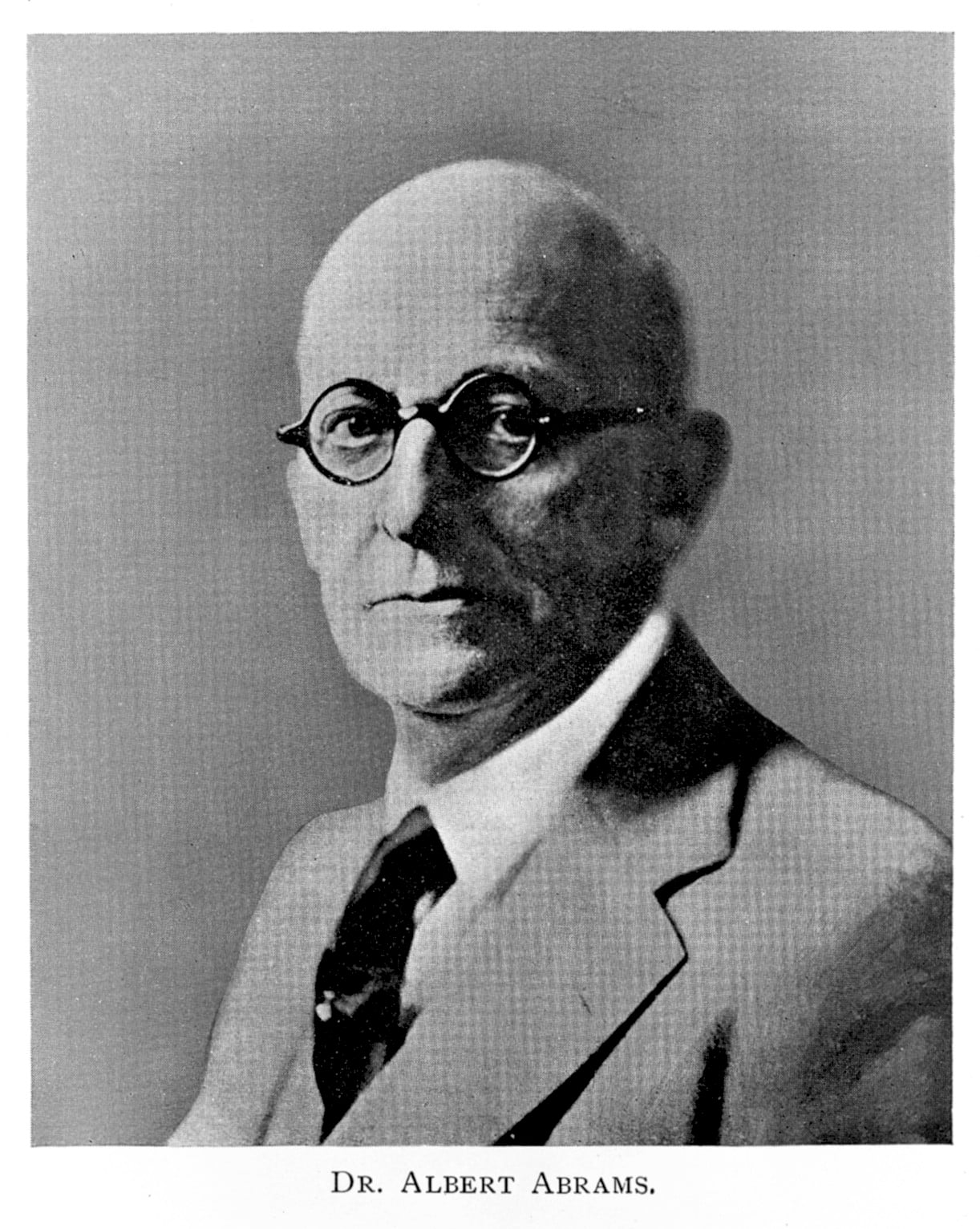
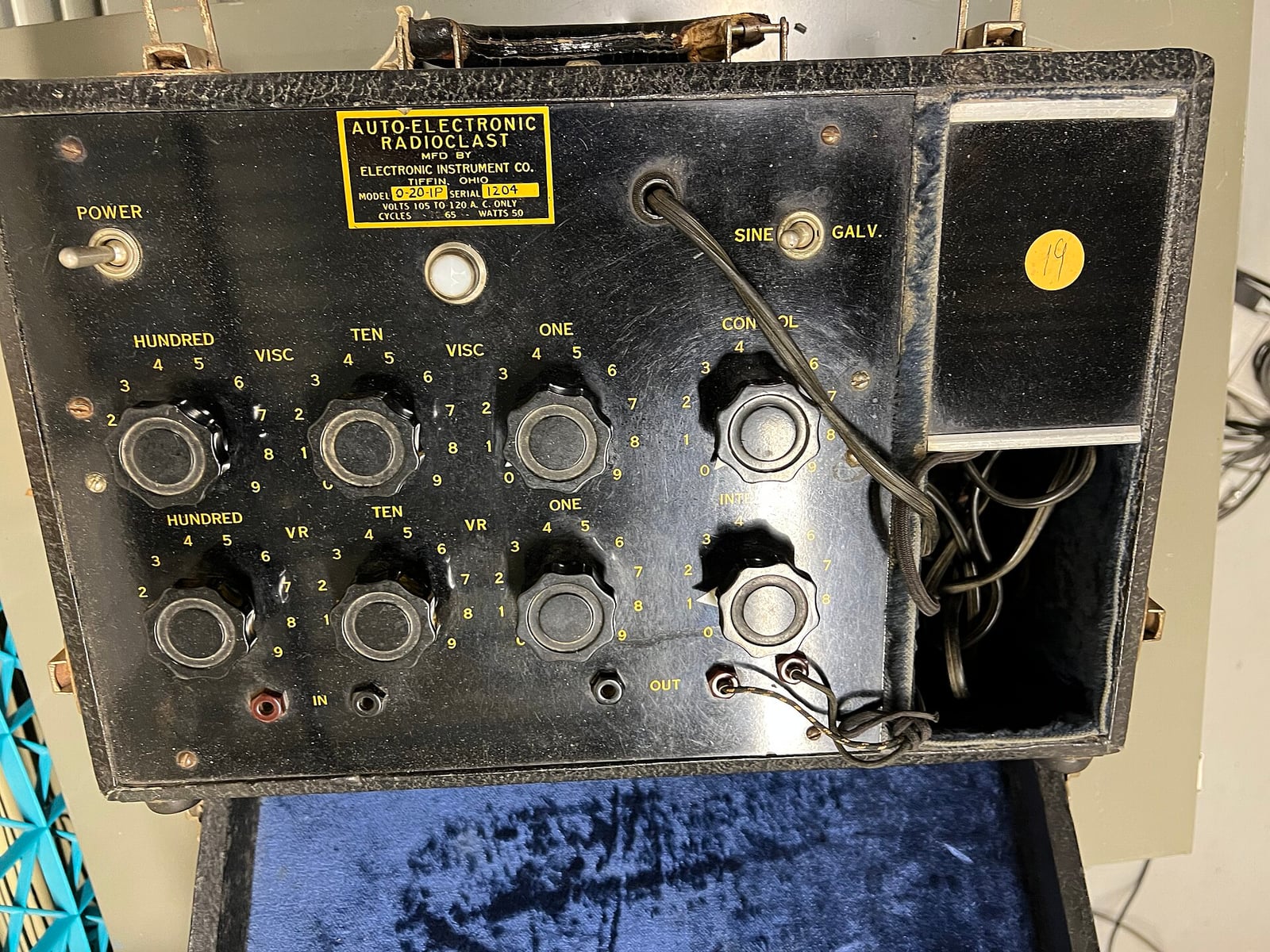
Albert Abrams (1863–1924) of San Francisco built the most sophisticated financial machine in the whole field, and it was a franchise. His “Electronic Reactions of Abrams” (ERA), later called radionics, is dissected in the radionics-and-abrams-boxes dive; the business was the innovation. Abrams did not simply sell a box. He sold training: practitioners paid roughly $200 for a course in his method, after which they were leased the diagnostic Dynomizer and treatment Oscilloclast under a contract that forbade them, on pain of forfeiting the lease, from ever opening the sealed instrument. Lessees then paid recurring fees and, in effect, remitted a share of their practice income back to Abrams.
The structure — an unopenable box, a licensing course, a captive stream of monthly payments from a distributed network — was extraordinarily profitable. By the early 1920s there were said to be more than 3,500 ERA practitioners operating Abrams’ machines, and he is generally reported to have amassed an estate estimated at about $2 million (a sum on the order of tens of millions in today’s money) before his death in 1924. The sealed-box lease was the master stroke: it multiplied the take across thousands of operators while making inspection a breach of contract, and it turned every licensee into a defender of the secret they were forbidden to see.
3.6 Radithor and William J. A. Bailey
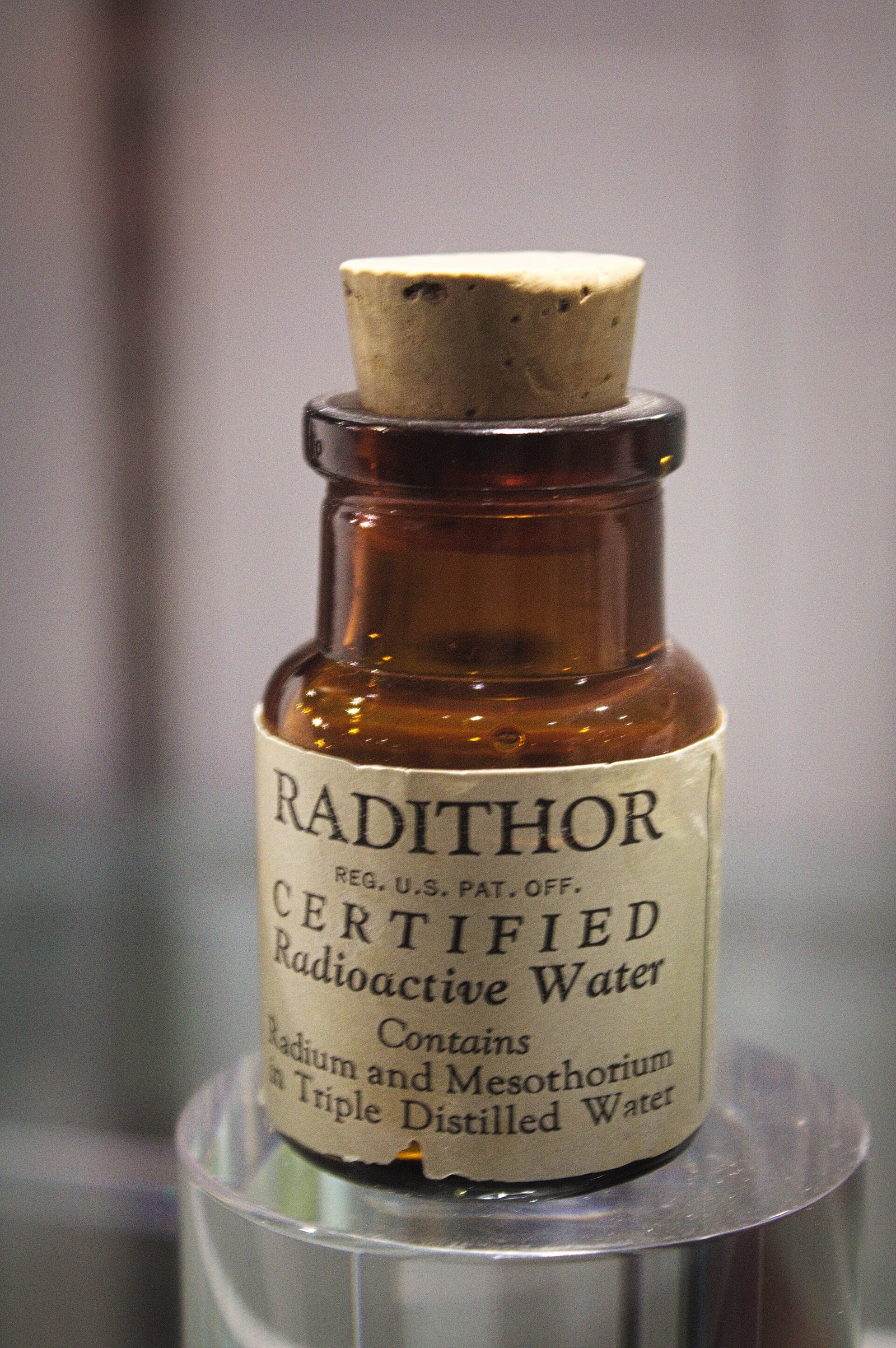
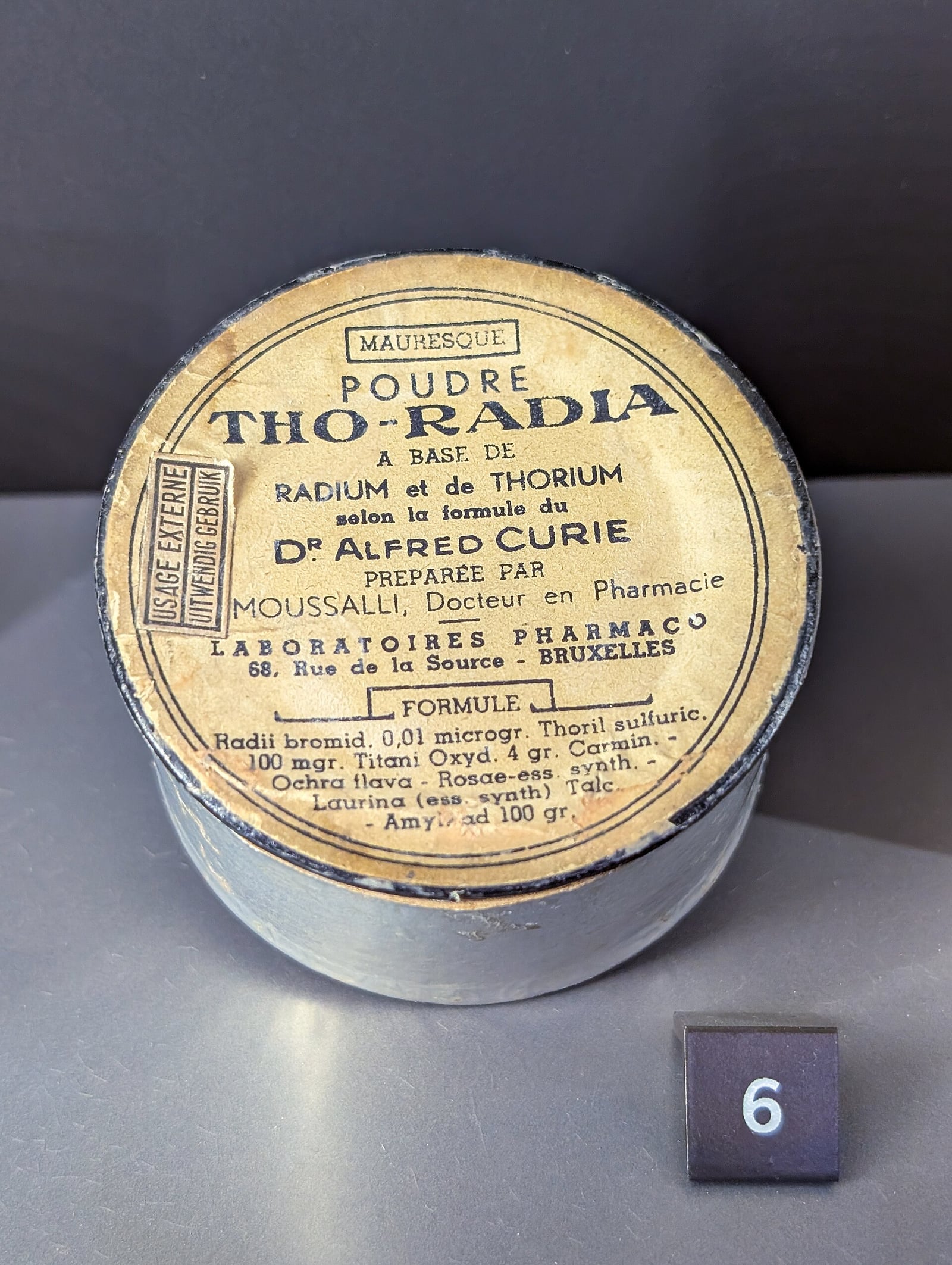
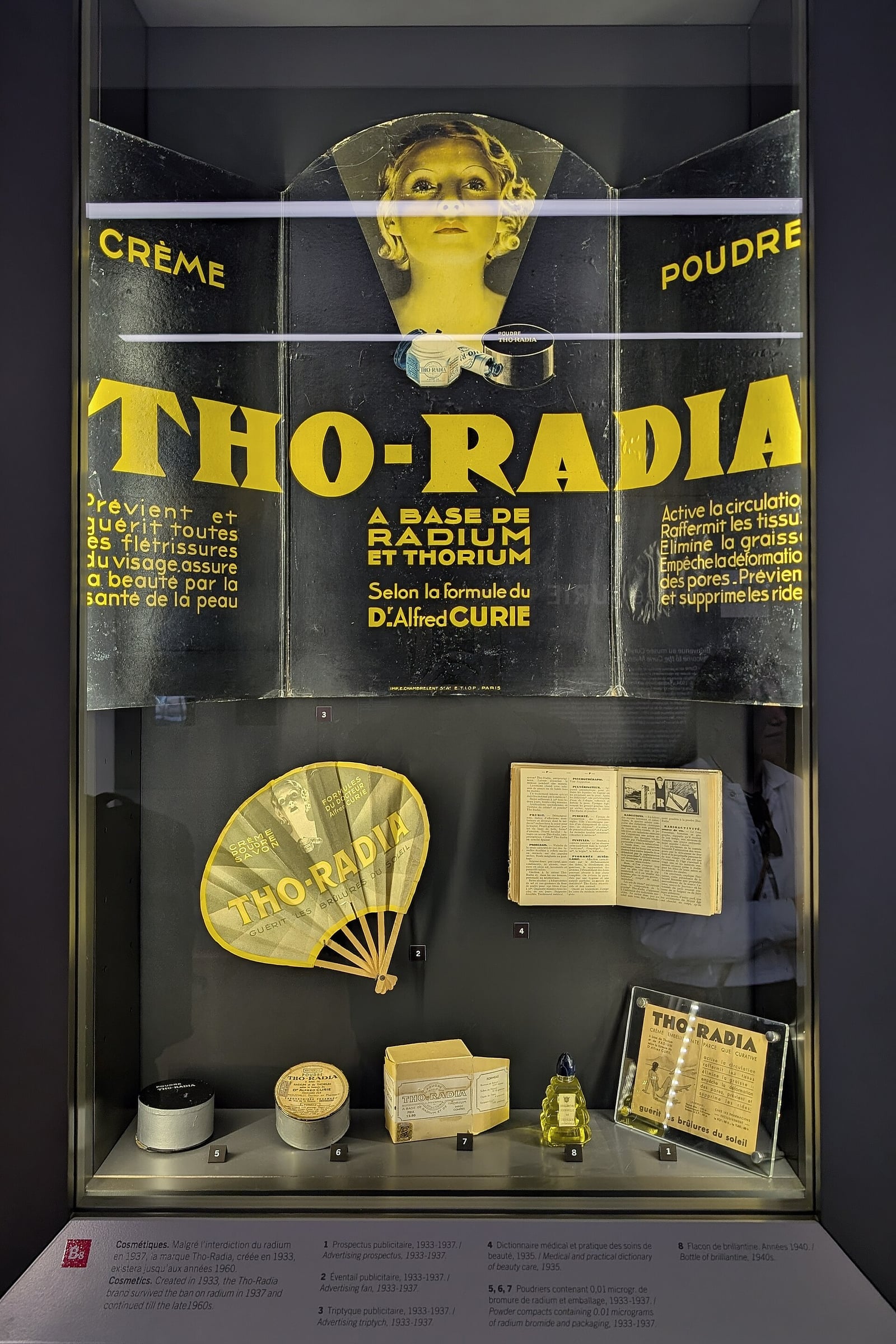
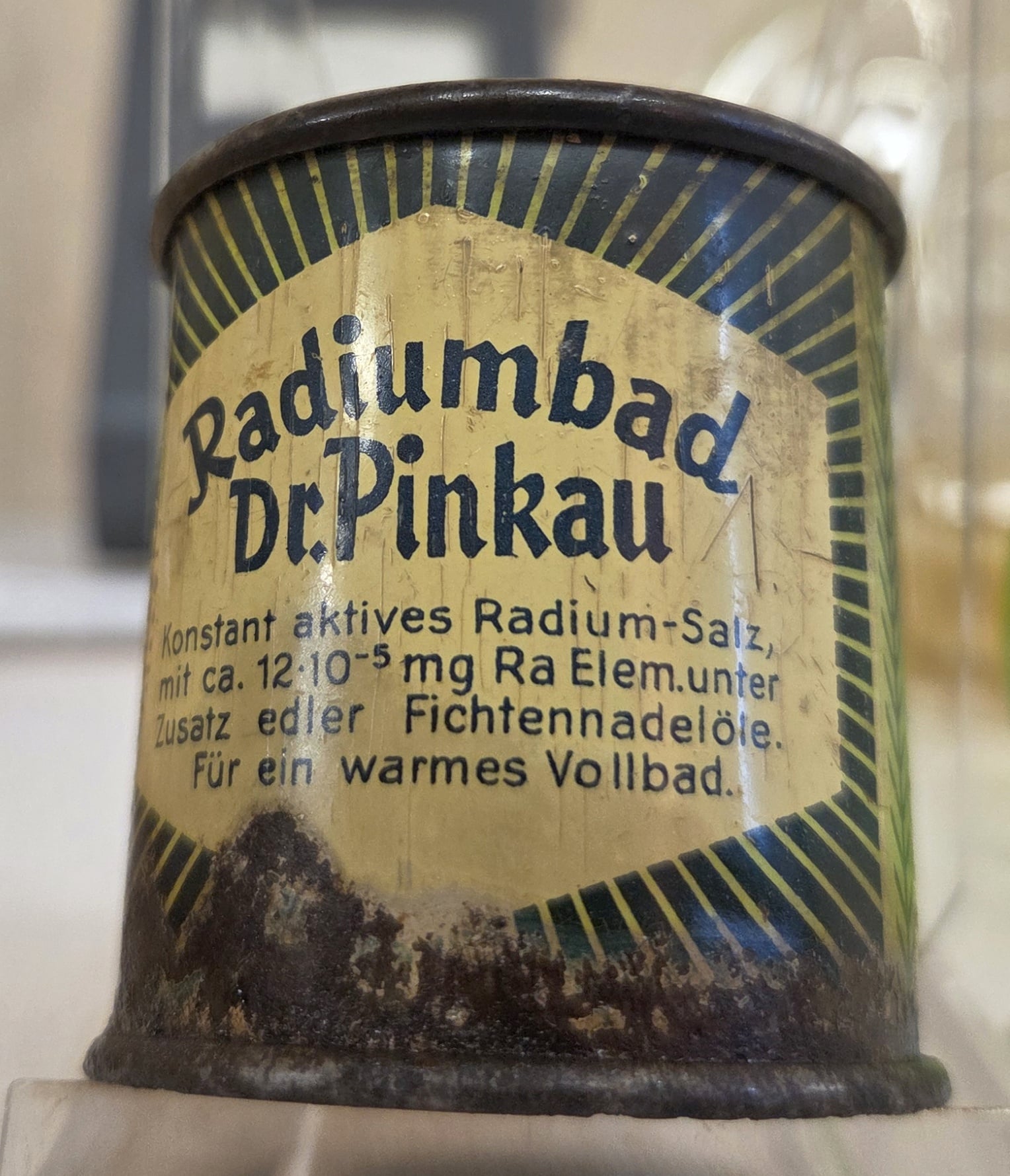
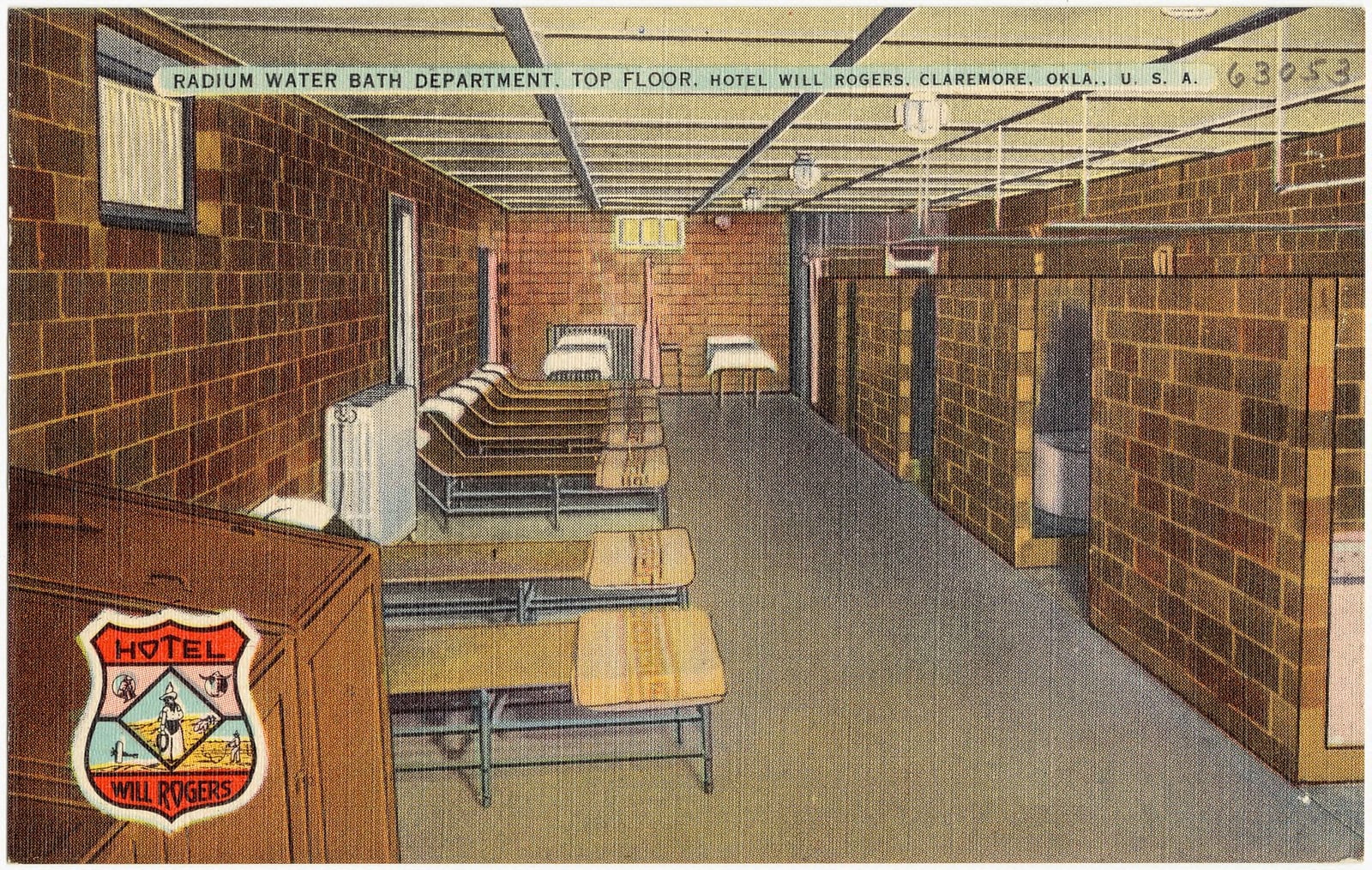
The radioactive trade was the deadliest and, per unit, among the most lucrative. William J. A. Bailey — not a physician, despite the “Dr.” he affected — ran Bailey Radium Laboratories of East Orange, New Jersey, and sold Radithor, triple-distilled water certified to contain radium-226 and radium-228, from the late 1920s. The product and its human cost are covered in the radioactive-cures dive; the economics are stark. Radithor sold for about $1 a bottle — roughly $15–20 in today’s money — on a reported profit margin near 400%, and Bailey’s laboratory is said to have sold more than 400,000 bottles.
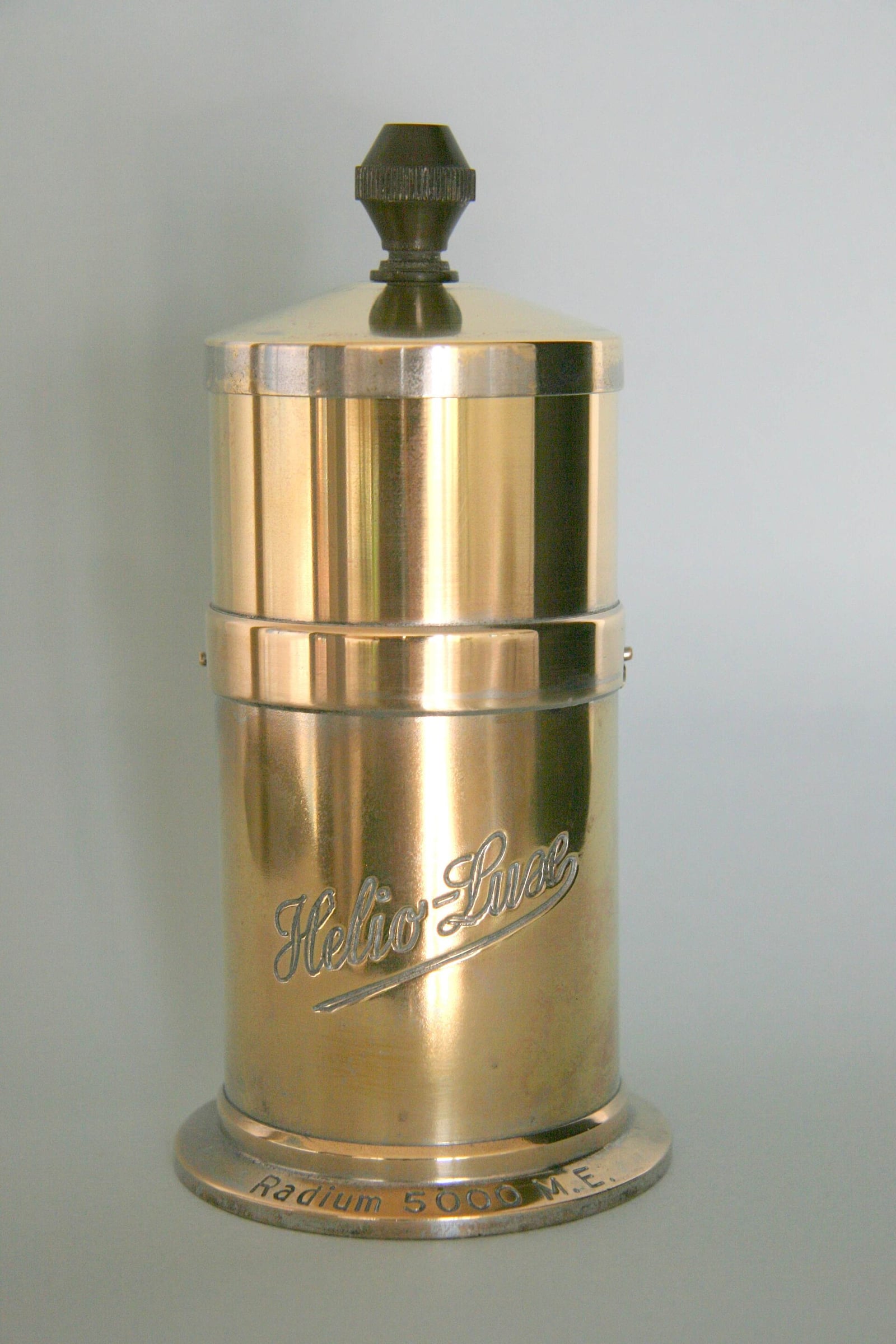
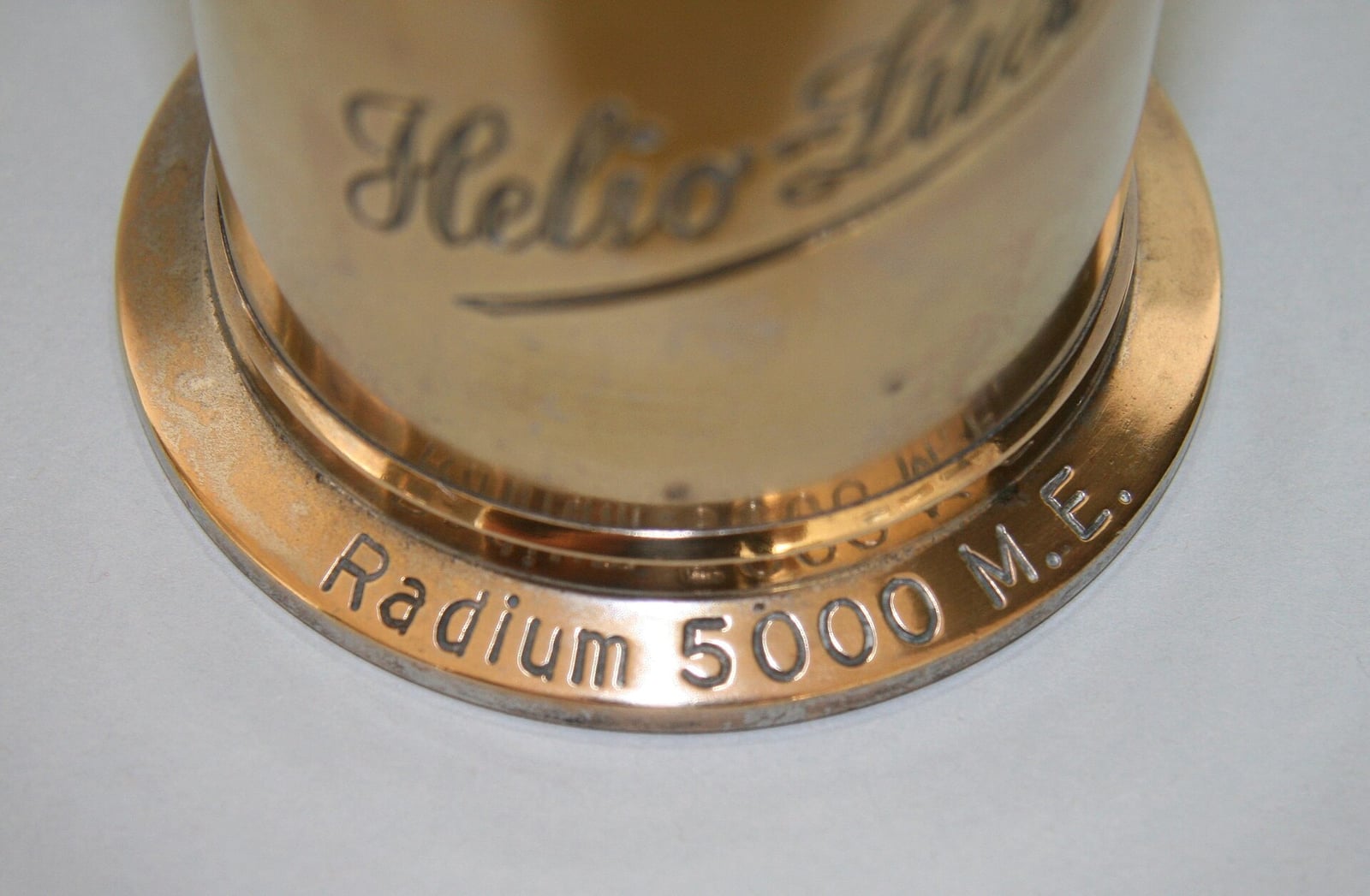
Bailey’s higher-margin product was the Radiendocrinator, a gold-plated radium source in a velvet-lined leatherette case, worn against the endocrine glands. It launched at an astonishing $1,000 — at a time when a new 1924 Model T Ford cost under $300 — and even its later, discounted price of $150 placed it firmly in the luxury market. The complementary end of the trade was mass-market: the Radium Ore Revigator, a uranium-ore-lined water crock sold from roughly 1924–1930 for about $30, was bought by the hundreds of thousands by families instructed to “fill every night and drink freely.” Between Bailey’s luxury tier and the Revigator’s household tier, radioactivity was sold at every price point. Bailey himself died of bladder cancer in 1949.
3.7 Dinshah Ghadiali and Spectro-Chrome
Dinshah P. Ghadiali (1873–1966) ran his Spectro-Chrome Institute from Malaga, New Jersey, selling a coloured-light projector as a drug-free, surgery-free cure for essentially all disease — the device and its “attuned color waves” are covered in the spectro-chrome-and-color-therapy dive. His business, like Abrams’, combined an apparatus with a system of instruction and a membership organisation that kept buyers inside the fold. By 1946, Ghadiali is reported to have sold nearly 11,000 devices, the most expensive around $750, earning himself over $1 million. His legal history tracks the tightening regulatory net: he was acquitted of grand larceny in a 1931 New York trial, but convicted in the federal courts in 1945–1947 for introducing a misbranded device into interstate commerce, fined $20,000 and placed on five years’ probation (he served no prison time for the Spectro-Chrome case), and finally bound by a 1958 permanent injunction against interstate shipment.
3.8 The Distribution Engine
Behind every one of these firms sat the same two-part machine: national advertising and direct distribution. The advertising ran in newspapers, farm weeklies, and mass magazines, and it did the persuading — supplying the testimonials, the pseudo-scientific vocabulary, and the promise. The distribution then removed the friction: the mail-order catalog (Sears above all) let a rural customer order an electric belt or a violet-ray outfit by post and have it delivered, no doctor and no store in between; the traveling salesman and the door-to-door “demonstrator” carried the higher-priced goods — the radium appliance, the Spectro-Chrome, the leased Abrams box — into the parlor where a live demonstration could close a sale that print alone could not.
This is why the trade was so resilient. A cure-all device needed no pharmacy, no prescription, and, until 1938, almost no regulatory clearance; it needed only an audience and a shipping address, and the American consumer economy had industrialised the supply of both. The mechanical and vibratory end of the market ran on the same rails — mail-order vibrators and franchised Zander mechanotherapy halls, discussed in the mechanical-and-vibratory-cures dive — and the boundary with legitimate electrotherapy stayed deliberately blurred, since the same catalog might sell both a genuine faradic battery and a fairground shock box (see the electrotherapy wing’s high-frequency-currents dive).
3.9 What the Money Tells Us
Read together, the ledgers reveal a common commercial genius rather than a common gadget. Pulvermacher and Harness proved that a branded appliance plus a chorus of testimonials could build a fortune, and that the press could dismantle it. Renulife proved that a striking sensory device could be commoditised into a national appliance category. Abrams proved that the sealed box under lease was worth more than any box sold outright, because secrecy plus recurring fees plus a distributed franchise multiplied the take while suppressing scrutiny. Bailey proved that the same substance could be priced from a $30 crock to a $1,000 gold case. Ghadiali proved that a device wrapped in a system and a membership would keep selling in defiance of the courts.
None of these fortunes rested on a working therapy. They rested on distribution, pricing psychology, and the gap between what science could do and what the public could verify — a gap the next volume, The Reckoning, watches the AMA, the FDA, the Post Office and the press finally begin to close.
Sources
- RenuLife Violet Ray Health Generator — University of Rochester Medical Center, History of Medicine blog
- Violet Ray Machine — National Museum of American History
- Running with the Current: Quackery in Electrical Medicine — William P. Didusch Museum (urology)
- Pulvermacher’s chain — Wikipedia
- Harness Electric Corset / the Harness “Electropathic” Swindle — The Quack Doctor
- Dr. Scott’s Electric Corset — Wellcome Collection
- Electreat — National Museum of American History
- The History of Spinal Cord Stimulation (Electreat, Kent, 1919) — OUPblog
- Albert Abrams — Wikipedia
- Albert Abrams, the Dynamizer, and the Birth of the Modern Medical Scam — IFLScience
- Radithor (ca. 1928) — Museum of Radiation and Radioactivity (ORAU)
- Radithor — Wikipedia
- William J. A. Bailey — Wikipedia
- The Radiendocrinator (ca. 1924–1929) — Museum of Radiation and Radioactivity (ORAU)
- Radium Ore Revigator — Wikipedia
- Radium: The Deadly Health Fad of the Early 1900s — HISTORY
- Colorful Nonsense: Dinshah Ghadiali and His Spectro-Chrome Device — Quackwatch
- The Kingpin of Fakers (Ghadiali) — Cabinet Magazine, Christopher Turner
- Colourful conman — McGill Office for Science and Society
Comments (0)